
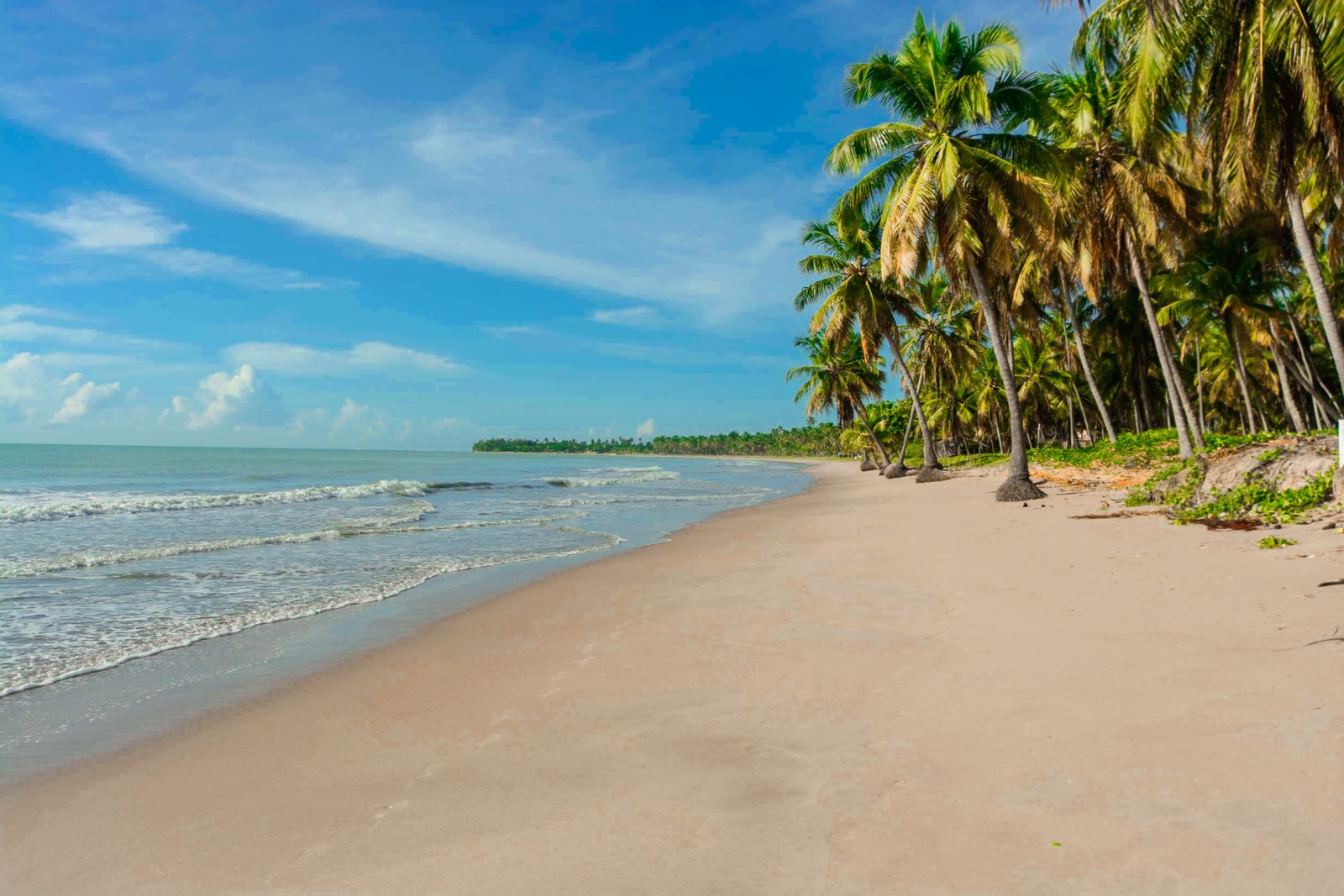
Five minutes from Phuket Airport’s runway, sheltered inside Sirinat National Park, sits a beach that most arriving passengers fly directly over and never think about again. Their loss. Nai Yang is a long, lazy curve of sand shaded by a magnificent grove of old casuarina trees, fronted by a shallow reef-protected bay, and backed by a low-key strip of seafood restaurants where tables sit on mats under the pines. No high-rises — national park rules forbid them — no beach clubs, no jet ski hustle. If you have a late flight, an early arrival, or simply a taste for the unhurried, Nai Yang might be the most pleasant surprise on the island. Here’s what to know.
Why Nai Yang Earns Its Spot
Protection, in both senses. Legally, much of Nai Yang lies within Sirinat National Park, which froze the kind of development that transformed the southern beaches — buildings stay low, the tree line stays intact, and the beach keeps a village rhythm. Physically, a reef flat several hundred meters offshore knocks down the swell, making Nai Yang’s waters calmer than the exposed beaches to the south for much of the year.
The atmosphere is the real draw: Thai families picnicking under the casuarinas on weekends, long-stay visitors on rented bicycles, and a restaurant row that still grills fish the way it did twenty years ago. It’s one of the last west-coast beaches where the local scene outweighs the tourist one.
The Beach Itself
The sand is golden and slightly coarse, running well over a kilometer along the bay, with the deep shade of the casuarina grove as its signature feature — you can spend a full day here without renting an umbrella, a rarity on this coast. The water is shallow a long way out, especially at lower tides: superb for wading, floating, and small children; less ideal for serious swimmers, who should time visits toward higher tide.
Snorkeling over the offshore reef is possible in high season when conditions are calm and clear — expect modest coral and decent fish rather than an aquarium; local operators can run you out by longtail. At the northern end, the beach bends toward the runway fence, where the neighboring stretch has become famous for plane-spotting photos — jets roaring low overhead on approach. It’s genuinely thrilling; just heed the posted rules about where you can and can’t stand, which authorities have tightened over the years.
Eating Under the Trees
Nai Yang’s restaurant row is half the reason to come. A line of casual seafood places sets tables directly under the pines and, in the evening, strings lights through the branches. Grilled snapper, crab fried in yellow curry, prawns by the hundred grams — a generous seafood dinner for two lands around 800–1,200 baht at the simpler spots, less if you stick to Thai standards. Quality varies place to place; pick the busy ones with the freshest-looking ice displays. Beach vendors handle daytime: som tam, chicken, coconuts at fair prices.
Honest Caveats
Nai Yang is quiet by design, and travelers wanting action will exhaust it in a day — nightlife is a beer under the trees, entertainment is a book. Monsoon season (May–October) still brings waves and currents over and inside the reef gaps; the reef helps but does not make Nai Yang immune, and red flags fly here too. Also worth knowing: kitesurfers use parts of the bay in low-season winds, and the occasional airport noise is real — most find the plane-spotting charming, light sleepers near the runway end may not.
Water clarity is honest rather than spectacular — the shallow, sandy bay can run milky, especially around tide changes and in low season. Come for atmosphere first, visibility second.
Best Time to Visit
November through April for the classic version: calm bay, clear-enough water, dry evenings for the restaurant row. Weekdays are noticeably quieter than weekends, when Thai families rightly claim their share of the shade. Low season keeps more life than most beaches — locals still come, restaurants still grill — and the kitesurfing wind season gives the bay a sporty second identity. For a final-night stay before an early flight, Nai Yang beats an airport hotel in every way that matters, in any season.
Getting There
This is the easy part: Nai Yang is 3–5 kilometers from Phuket Airport — a 5–10 minute drive, roughly 200–300 baht by taxi or less by app car. From Patong or Kata, count on 45–75 minutes and 700–1,000 baht. The beach has ample parking near the national park entrance and the restaurant row. Bicycles suit the flat local lanes perfectly, and several guesthouses rent them cheaply. Note that a national park entry fee applies at the formally managed Sirinat sections (posted rates at the entrance; Thai and foreigner rates differ) — the main restaurant-row beach access is generally free.
Who Should Come
Anyone with a flight at either end of the day, families with small waders, plane-spotters, and travelers who measure a beach by shade quality and grilled fish rather than beach clubs. Skip it if you need nightlife or bathtub-clear water. Nai Yang is Phuket with its shoes off — get there while the casuarinas still outnumber the loungers.
For more honest, on-the-ground guides to Phuket’s quieter north — Nai Thon, Mai Khao, and beyond — keep exploring PhuketInside.
📍 Nai Yang Beach