
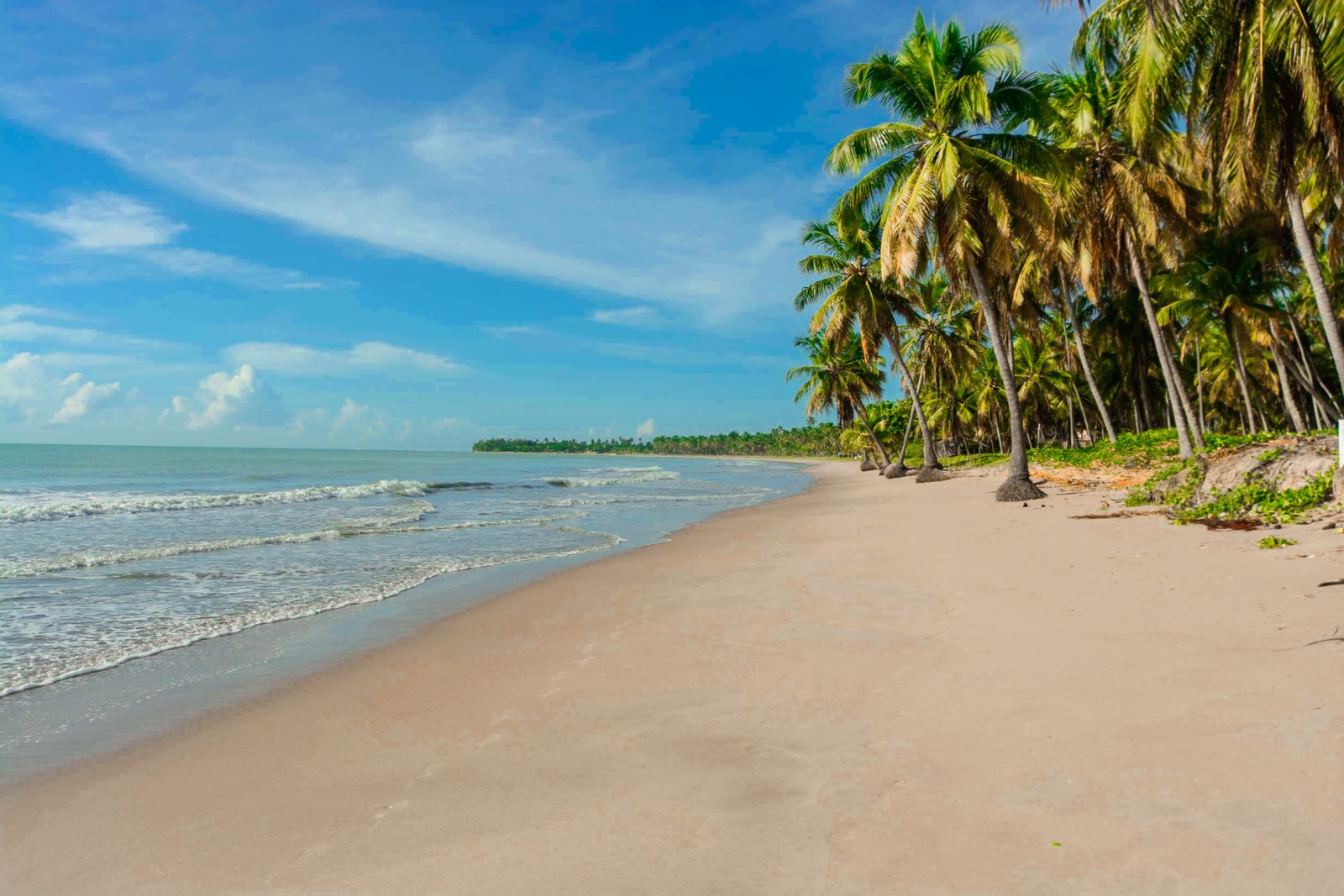
Drive five minutes over the headland south of Kata and the road drops into a bay that feels like Kata’s better-mannered sibling: 700 meters of some of the softest, palest sand on Phuket, noticeably clearer water, and a fraction of the crowds. Kata Noi (“Little Kata”) has no beach road strip, no vendors shouting, and almost no nightlife — just a handful of resorts, one small cluster of restaurants, and a bay that regularly makes visitors ask why they didn’t come here first. If your priority is swimming and doing very little else in beautiful surroundings, Kata Noi is arguably the best pure beach experience in southern Phuket. Here’s how to make it work.
Why Kata Noi Earns Its Spot
The geography does the heavy lifting. Kata Noi is a dead-end bay — the coastal road ends here, so there’s no through-traffic and no reason to be here unless the beach is your destination. That single fact filters out most of the island’s noise. The headlands pinch the bay at both ends, the sand is fine enough to squeak underfoot, and the water clarity in high season is consistently a notch above neighboring Kata and Karon because there’s no canal runoff emptying into the bay.
The trade-off is equally simple: limited everything. A few restaurants, a couple of minimarts, no ATMs to count on, and sunbed coverage only along part of the beach. This isn’t a flaw — it’s the whole point — but travelers expecting Kata’s convenience should know they’ll be taking a five-minute taxi or scooter hop over the hill for variety.
The Beach Itself
The sand here deserves its reputation. It’s the powdery, almost-white variety that stays cool longer than it should, sloping gently into water that goes from ankle-deep to swimmable over a comfortable distance. High-season conditions (November–April) are close to ideal for proper swimming — you can do actual laps parallel to shore in flat, clear water, which is rarer on Phuket’s west coast than brochures suggest.
Snorkeling is best at the northern end around the rocks below the headland, where you’ll find parrotfish, sergeant majors, and the occasional moray if you’re lucky. It’s casual snorkeling, not a reef destination — manage expectations and enjoy it for what it is.
The southern half of the beach fronts the big resorts, and while all Thai beaches are public by law, the sunbed zones there effectively serve hotel guests. Independent visitors do better claiming space on the northern half, where a sarong under a tree costs nothing and the view is identical.
Sunsets and the Viewpoint
Kata Noi faces almost due west, and its sunsets are quietly spectacular — the sun drops straight into open Andaman with nothing in the way. The beach empties out by early evening, so sunset here often feels semi-private in a way Kata’s never does.
Just above the bay, the road climbing south toward Nai Harn passes the famous Karon Viewpoint. Coming from Kata Noi you reach it in under ten minutes, and it’s worth pairing with your beach day: the classic three-bays photo looks straight down onto the sand you were lying on an hour earlier.
Honest Caveats
Monsoon season changes this bay completely. From May to October, swell rolls straight in and rip currents form along the beach — the same dangerous conditions as Kata and Karon, with fewer lifeguards and fewer people around to notice a swimmer in trouble. Red flags mean stay out, full stop. Some low-season days are calm and lovely, but never assume; check conditions on the day.
The other caveat is dining fatigue. The handful of restaurants near the beach are decent but priced for a captive audience — expect 200–400 baht mains rather than Kata’s 80-baht street plates. Most visitors staying more than a few nights fall into a rhythm of eating breakfast and lunch in Kata Noi and heading over the hill for dinner.
Best Time to Visit
November through April for swimming — the bay is at its calm, glassy best, with February and March hitting the sweet spot of great weather and slightly softer crowds than Christmas–New Year peak. Low season (May–October) brings surfable waves, moody skies, and steep resort discounts; the big hotels here can drop 50% or more, making it one of the cheapest times to enjoy a genuinely upscale bay — just plan to admire the sea more than swim in it, and pack for afternoon rain.
Getting There
Kata Noi is around 45–50 kilometers from Phuket Airport, roughly 70–80 minutes by car; a taxi or Grab runs about 750–950 baht. From Kata proper it’s a 5-minute drive over the southern headland or a 20-minute walk — the walk is manageable in the morning but sweaty and hilly with beach gear at midday. There’s limited parking near the northern end of the beach where the road comes down (scooters fit easier than cars; expect small parking fees at private lots). No songthaew bus comes over the hill, so budget travelers usually base in Kata and walk or scooter across.
Who It’s For
Kata Noi is for swimmers, couples, readers of long books, and anyone whose ideal beach day involves as few decisions as possible. It’s not for nightlife seekers, budget backpackers who need cheap eats at arm’s reach, or anyone who gets restless without options. Get there before 10 am, claim the northern end, stay for the sunset, and you’ll understand why regulars keep this bay slightly quiet on purpose.
For more honest, on-the-ground guides to Phuket’s beaches and where to stay near them, keep exploring PhuketInside.
📍 หาดกะตะน้อย