
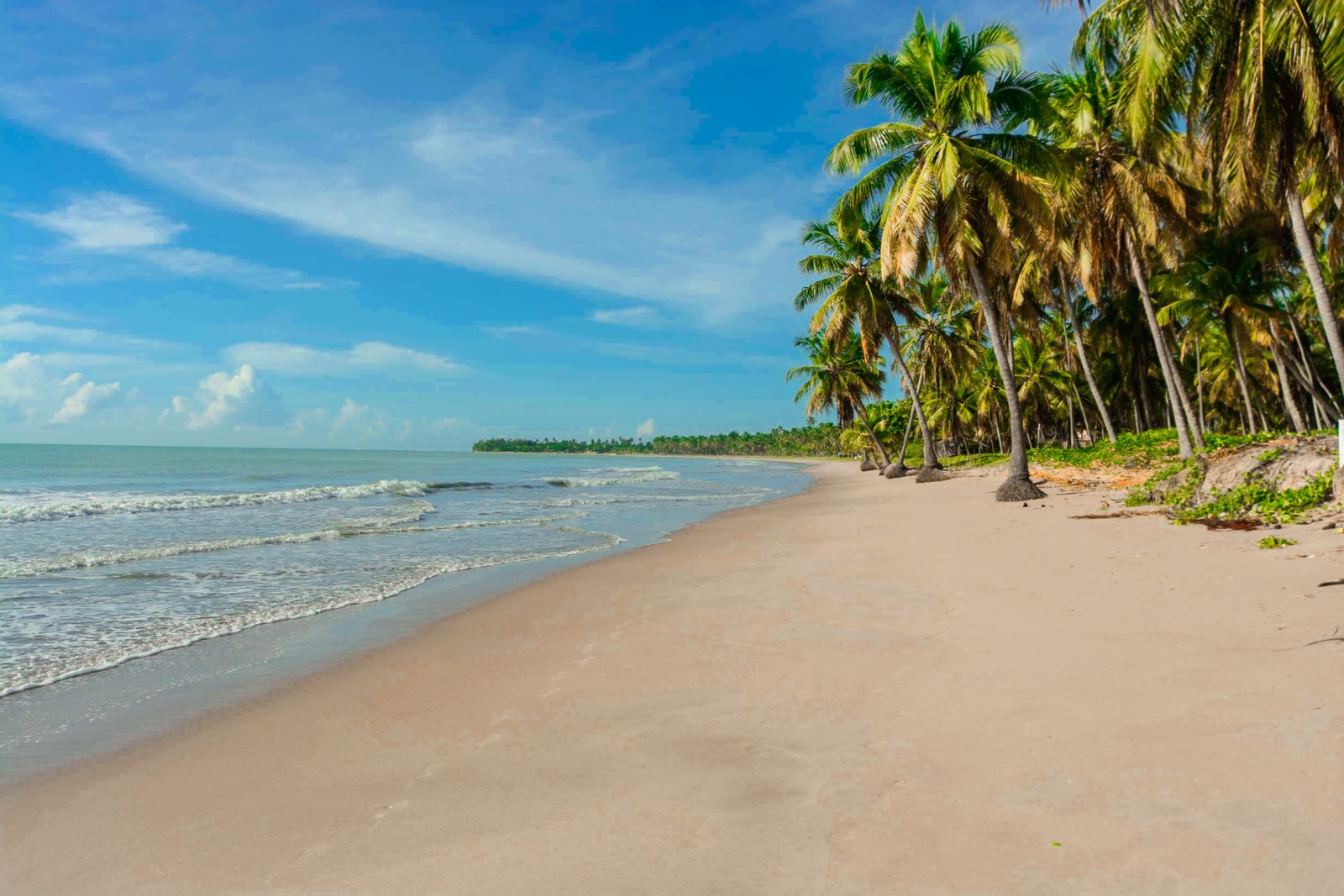
Stand at the northern end of Kata Beach around 5 pm and you’ll see why this bay has quietly become the sensible traveler’s favorite: a clean 1.5-kilometer crescent of pale sand, longtail boats bobbing off Ko Pu island in the middle of the bay, surfers waiting on small rollers to your left, and families packing up sandcastle gear to your right. Kata doesn’t have Patong’s noise or Nai Harn’s wild edges — what it has is balance. If you want one beach that handles swimming, surfing, eating, and an easy walkable town without demanding compromises, Kata is the strongest single-base choice on the island. Here’s what it does well, what it doesn’t, and how to time your visit.
Why Kata Earns Its Spot
Kata sits on Phuket’s southwest coast, one bay south of Karon and about 40 minutes from the airport. The beach itself is the main event: fine, light sand that stays comfortable underfoot even at midday, water that shades from clear turquoise in high season to a moodier green when the monsoon arrives, and a backdrop of green headlands at both ends that keeps the bay feeling contained and pretty rather than sprawling.
What separates Kata from prettier-but-emptier bays is the town behind it. Within a ten-minute walk of the sand you have pharmacies, minimarts, tailor shops, dive shops, massage parlors charging 300–400 baht an hour, and a genuinely wide restaurant range — from 60-baht pad kra pao at plastic-chair locals’ places on Kata Road to cliffside cocktails at the bars strung along the southern headland. You never need a taxi for daily life, which quietly saves you hundreds of baht a day compared to staying at a more isolated beach.
The Beach Itself
The sand slopes gently into the water along most of the bay, which is why Kata rates well for families — small children can paddle in the shallows in high season without an abrupt drop-off. The northern end, near the small canal, is where the surf schools cluster; the middle is the sunbathing heartland; the southern end under the trees near Ska Bar is the most atmospheric spot for a late-afternoon beer, with reggae music and a huge old banyan tree growing right out of the rocks.
Ko Pu, the little palm-topped island offshore, is more than decoration. In calm season you can rent a kayak or paddleboard (roughly 300 baht per hour, negotiate) and paddle out to it. Snorkeling is decent — not spectacular — around the rocks at both ends of the bay, with the southern corner near the reef generally the better bet. Bring your own mask; rental gear on the beach is tired.
Sunbeds and umbrellas are available in the designated zones (expect around 200 baht for a set for the day), but large stretches of the beach remain bed-free, so you can always throw down a sarong for nothing.
Surfing: Kata’s Second Season
Here’s the thing most first-timers don’t realize: Kata has two personalities. From November to April it’s a swimming beach. From roughly May to October, the southwest monsoon turns it into Phuket’s most popular surf beach. The waves are beginner-friendly — typically waist-to-head high beach break — and several surf schools operate right on the sand, charging in the region of 1,000–1,500 baht for a 90-minute lesson including the board. Board-only rental runs cheaper by the hour or day.
The flip side is non-negotiable: monsoon-season Kata is dangerous for casual swimmers. Rip currents here are strong and drownings happen on this coast every year. If red flags are flying, stay out of the water entirely — no exceptions, however inviting it looks between sets.
Beyond the Sand
Kata’s supporting cast is strong. The Karon Viewpoint (often called the Three Beaches viewpoint), a 10-minute drive up the hill toward Nai Harn, delivers the postcard shot of Kata Noi, Kata, and Karon stacked in a row — go before 10 am for clearer light and fewer tour buses. Kata Noi, the smaller and quieter sister bay over the southern headland, is a five-minute drive or a sweaty 20-minute walk and worth an afternoon on its own. Dinner options range from fresh-off-the-boat seafood grills to a handful of genuinely refined Thai restaurants on the hillside with sunset views — book the view tables ahead in high season.
Nightlife exists but stays low-key: live-music bars, a few late pubs, nothing approaching Patong’s Bangla Road. Most people here are asleep or close to it by midnight, which is exactly why many of them chose Kata.
Best Time to Visit
November through April is prime: calm, swimmable sea, blue skies, and the crowds and prices to match — expect hotel rates at their peak from mid-December through January. February and March offer nearly identical weather with slightly thinner crowds. May to October brings the surf, afternoon downpours (usually short), hotel discounts of 40–60%, and a much quieter town. September is statistically the wettest month. If you swim like a fish or want to learn to surf, low season Kata is a bargain; if you’re bringing young kids for the swimming, stick to high season.
Getting There
Kata is about 45 kilometers from Phuket Airport — allow 60–75 minutes by car. A metered or app-booked taxi (Grab and Bolt both work well in Phuket) typically runs 700–900 baht from the airport; airport limousine counters quote more. From Patong, it’s a 20–25 minute drive over the hills, around 300–400 baht by tuk-tuk after negotiation, less by app. The local blue songthaew bus connects Kata with Phuket Town’s markets for around 40 baht if you’re patient and traveling light. Renting a scooter (250–300 baht/day) is the local default, but the hill roads between Kata, Karon, and Nai Harn are steep and claim inexperienced riders regularly — ride only if you genuinely know how.
The Bottom Line
Kata isn’t the most beautiful beach on Phuket — Freedom and Nai Harn edge it on raw looks — and in peak season the central stretch gets busy by 11 am. But no other bay on the island combines swimmable water, learnable surf, a walkable town, honest food at every price point, and easy access to the south’s viewpoints and day trips this well. For first-time visitors and families especially, it’s the safest bet on the island, and repeat visitors keep ending up back here for a reason. Check the flag color before you swim, and you’ll have very little to complain about.
For more honest, on-the-ground guides to Phuket’s beaches, neighborhoods, and hidden corners, keep exploring PhuketInside.
📍 หาดกะตะ