
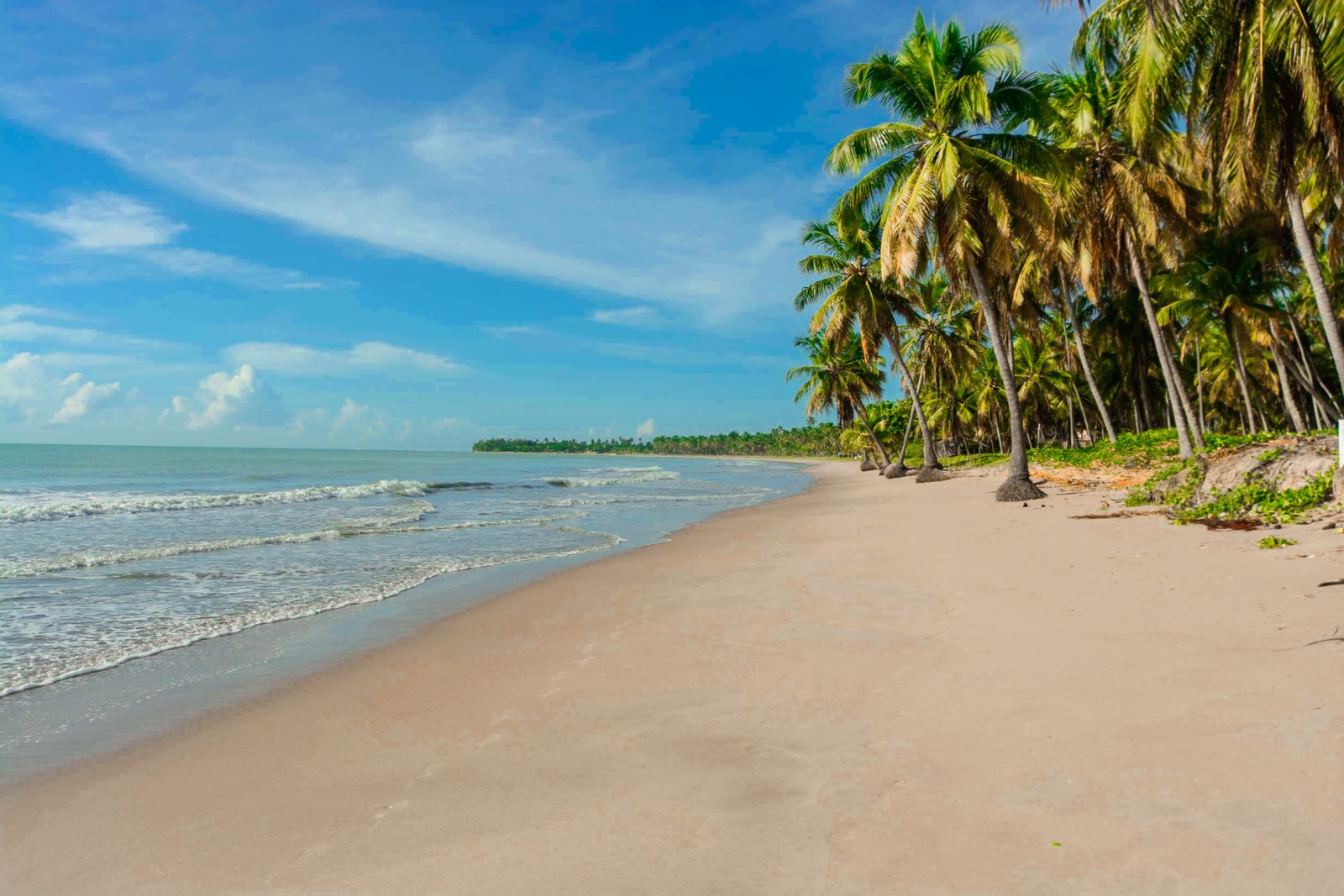
Walk barefoot on Karon Beach and the sand actually squeaks — a fine, dry chirp with every step, a quirk of the quartz grains that makes this one of the most distinctive stretches of coastline on Phuket. At roughly three kilometers, Karon is the island’s third-longest beach, and its greatest luxury is the one that costs nothing: space. Even in January, when Kata’s central stretch is towel-to-towel by late morning, Karon’s vast middle section still has room to swing a kite. If you want a big, open, classically beautiful beach with a proper resort town behind it — and you can respect the sea when it turns — Karon delivers more beach per person than anywhere else on the west coast. Here’s the full picture.
Why Karon Earns Its Spot
Karon solves the crowding problem by brute force. The beach is so long and so deep — a wide band of sand between the dunes and the waterline — that it absorbs its visitors without ever feeling packed. There’s no beach road running right along the sand for most of its length either; a green buffer of casuarina trees and a grassy verge separate the beach from the traffic, which keeps the sand itself surprisingly peaceful.
The town behind it is a full-service resort strip: hundreds of hotels from 700-baht guesthouses to big-name beachfront resorts, a temple market at Karon Circle (worth a browse on market days), muay thai stadium, dive shops, and restaurant rows along Luang Poh Chuan Road and the Karon Plaza maze. It’s less charming than Kata’s town and less lively than Patong — call it functional, with pockets of character.
The Beach Itself
The sand is the star: pale, clean, and that famous squeaky texture underfoot, best experienced in the dry top layer on a sunny afternoon. The beach faces open west, catching full sunset light along its entire length, and the sheer scale gives it a big-sky feel closer to an ocean coast than a sheltered bay.
Swimming in high season (November–April) is generally good, with clear water and a sandy bottom — though the beach shelves a touch more steeply than Kata’s in places, so small children need closer watching. Sunbed and umbrella zones cluster near the main entrances at the north, center, and south; between them lie long free stretches where you can set up under your own umbrella for nothing.
The southern end, tucked under the headland shared with Kata, is the prettiest corner and the best casual snorkeling spot, with rocks that attract reef fish in calm conditions.
The Caveat That Matters: Karon’s Sea
Karon demands more respect than its neighbors. Because it faces the open Andaman with no protective offshore island, monsoon-season conditions (May–October) here are among the most dangerous on Phuket — powerful shore break and rip currents that account for a disproportionate share of the island’s drownings. Lifeguards patrol and flag the beach, but the sea can look deceptively manageable between sets. The rule is absolute: red flags mean no swimming, not “careful swimming.” Even in high season, the occasional swell day warrants attention to the flags. Surfers, on the other hand, get some of the island’s better beach break here in low season, especially toward the northern end.
Beyond the Sand
Karon works well as a base precisely because it sits between attractions. Kata and Kata Noi are 5–10 minutes south; Patong’s nightlife is 15 minutes north over the hill; the Karon Viewpoint and Nai Harn are 15–20 minutes south. Dino Park’s minigolf (kitsch, but kids love it) sits on the Kata border. Evening options in Karon lean toward relaxed: seafood grills displaying the day’s catch on ice, beer bars around Karon Plaza, live acoustic sets — a night out here ends earlier and costs less than in Patong.
The Karon Temple Market (at Wat Suwan Khiri Khet) runs Tuesday and Saturday evenings — cheap street food, clothes, and souvenirs, and one of the better casual markets on this coast.
Best Time to Visit
November through April for swimming and classic beach weather; December–January is peak for both crowds and prices, while November and March–April offer nearly the same sea with better hotel deals. May through October is for surfers, bargain hunters, and travelers who like dramatic skies — resort rates drop steeply, and the huge beach becomes gloriously empty, but treat the sea as a view rather than a swimming pool unless flags and lifeguards say otherwise. Brief, heavy afternoon downpours are the low-season pattern; whole washed-out days are less common than people fear, September excepted.
Getting There
Karon is about 45 kilometers from Phuket Airport; allow an hour by car and roughly 700–900 baht by taxi or Grab. From Patong it’s a 15-minute drive over the headland (300 baht by negotiated tuk-tuk, less by app). The local songthaew from Phuket Town serves Karon for around 40 baht. Scooter rental runs 250–300 baht a day, and Karon’s relatively flat, wide main roads make it one of the easier west-coast towns to ride in — though the hill road to Patong deserves caution, especially in rain.
Who Karon Is For
Choose Karon if you want maximum beach with minimum jostling: long walks, sunset space, and a resort town that covers all needs without overwhelming you. Skip it if you want boutique charm, guaranteed year-round swimming, or nightlife at your doorstep. And whatever season you come — watch the flags. Karon rewards the respectful and punishes the casual, and that honest deal is exactly what keeps its regulars coming back.
For more honest, on-the-ground guides to Phuket’s beaches and the towns behind them, keep exploring PhuketInside.
📍 หาดกะรน