
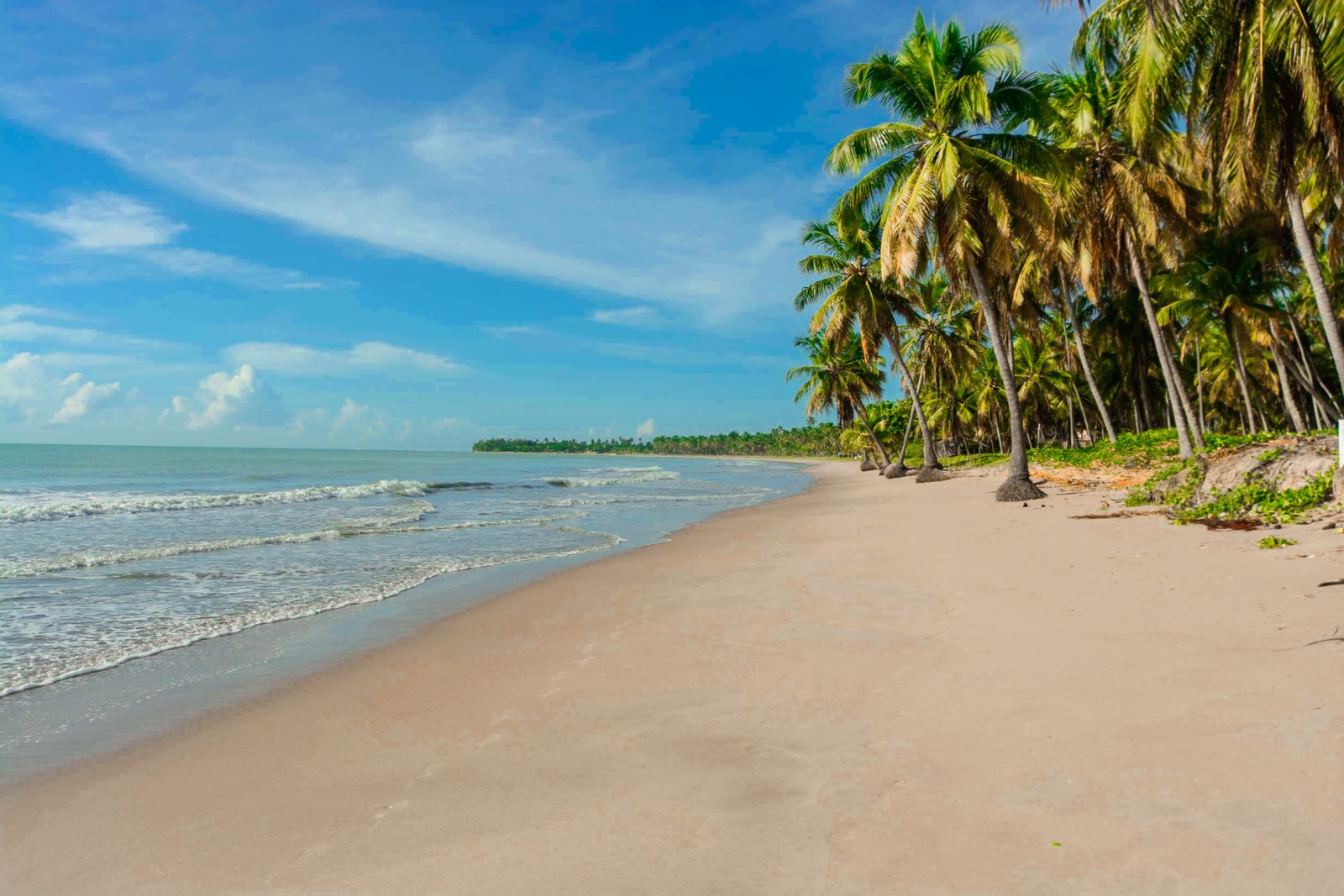
Bang Tao doesn’t do small. The beach runs roughly eight kilometers — one of the longest on Phuket — a near-straight ribbon of sand wide enough that its personalities never touch: barefoot fishermen and empty dunes at the northern end, five-star resort loungers in the middle, and DJ-soundtracked beach clubs toward the south, all on the same uninterrupted stretch. Behind it sprawls the Laguna complex and the fast-gentrifying Cherngtalay/Boat Avenue district, now arguably the island’s food-and-lifestyle capital. If you want a beach that can be a different place every day of your trip — and you don’t mind that polish comes with prices — Bang Tao is the strongest case on the island. Here’s how to navigate all eight kilometers of it.
Why Bang Tao Earns Its Spot
Scale plus variety. Most Phuket beaches force a choice: lively or quiet, luxurious or local. Bang Tao simply lines the options up along its length and lets you pick daily. The southern section near the beach clubs delivers the scene — loungers, cocktails, sunset sets. The central stretch fronting the Laguna resorts is manicured and calm, with watersports operators and resort facilities. Push north past the last developments and you find kilometers of nearly empty sand backed by casuarinas, where weekday high-season afternoons can feel private in a way that seems impossible twenty minutes from the airport road.
The district behind the beach seals the argument. The Boat Avenue–Porto de Phuket corridor has quietly become the island’s best eating and shopping cluster outside Phuket Town: specialty coffee, international restaurants, a popular Friday night market, and an open-air mall with the island’s stylish-casual crowd in full attendance.
The Beach Itself
The sand is golden, firm near the waterline — good for the long runs and walks the length invites — and the beach faces west for full sunset exposure along its entirety. High-season swimming (November–April) is generally good, with a moderately gentle shelf along most sections; conditions can vary along eight kilometers, so swim near other people and, ideally, near the lifeguard posts by the main entrances.
Watersports concentrate in the central and southern sections: paddleboards, kayaks, kitesurfing lessons at the northern end in the right winds, and jet skis in designated zones (negotiate, and count on around 1,500–2,000 baht per half hour — or skip them; the quieter north thanks you). Beach clubs charge for loungers, often redeemable against food and drink minimums; the free-sand sections in between remain generous everywhere.
Honest Caveats
Monsoon season (May–October) brings the standard west-coast dangers — rips and shore break, red flags, real drownings most years. The beach’s length works against you here: lifeguard coverage is concentrated at main access points, and swimming alone at an empty northern stretch in low season is a genuinely bad idea however inviting it looks.
Cost is the other caveat. Bang Tao’s center of gravity has moved decisively upmarket; casual meals in the Boat Avenue zone routinely run double what you’d pay in Kamala or Phuket Town, and beachfront dining more still. Budget travelers can absolutely do Bang Tao — local food survives along Srisoonthorn Road and around the old village — but the default trajectory of the area is premium. Traffic around Cherngtalay at rush hour has also become a real thing; factor it into dinner plans.
Beyond the Sand
Laguna’s canals and golf course give the area a resort-city feel unique on the island, complete with free shuttle boats between Laguna hotels. The Friday night market at Boat Avenue is one of the island’s best food-stall evenings. Ten minutes north, Layan Beach — technically Bang Tao’s northern continuation — offers a mellow river-mouth corner popular for late-afternoon swims. Surin’s dining and Kamala’s slow charm sit just south. And the airport’s proximity (see below) makes Bang Tao the most convenient last-night luxury stop on Phuket.
Best Time to Visit
November through April for the full package — swimmable sea, sunset clarity, beach-club season in full swing. December–February is peak everything, including prices. Low season has real appeal here precisely because the district behind the beach doesn’t hibernate: the restaurants, cafes, and markets run year-round on resident traffic, hotel rates drop 40–60%, and the vast beach empties beautifully — just recalibrate the sea as scenery rather than swimming pool on flagged days.
Getting There
Bang Tao is about 20–25 kilometers from Phuket Airport — as little as 30 minutes by car, making it the best-connected major beach on the island; taxis and apps run roughly 500–700 baht. From Patong, 25–35 minutes depending on traffic. The area is too spread out to walk end to end (the beach alone is an 8-kilometer commitment), so most visitors use scooters, app cars, or resort shuttles. Multiple public beach entrances with parking dot the coastal lanes off Srisoonthorn Road — the northern entrances are the ones the crowds never find.
The Bottom Line
Bang Tao is Phuket’s have-it-all beach: enough length to hide from everyone, enough infrastructure to want for nothing, and the island’s best food scene a five-minute ride away. The tradeoffs — rising prices, patchy low-season swimming, traffic at the edges — are the costs of a district on the way up. Pick your kilometer to match your mood, keep an eye on the flags, and don’t leave without a Friday night at the market.
For more honest, on-the-ground guides to Phuket’s northwest coast and its fast-changing food scene, keep exploring PhuketInside.
📍 หาดบางเทา