
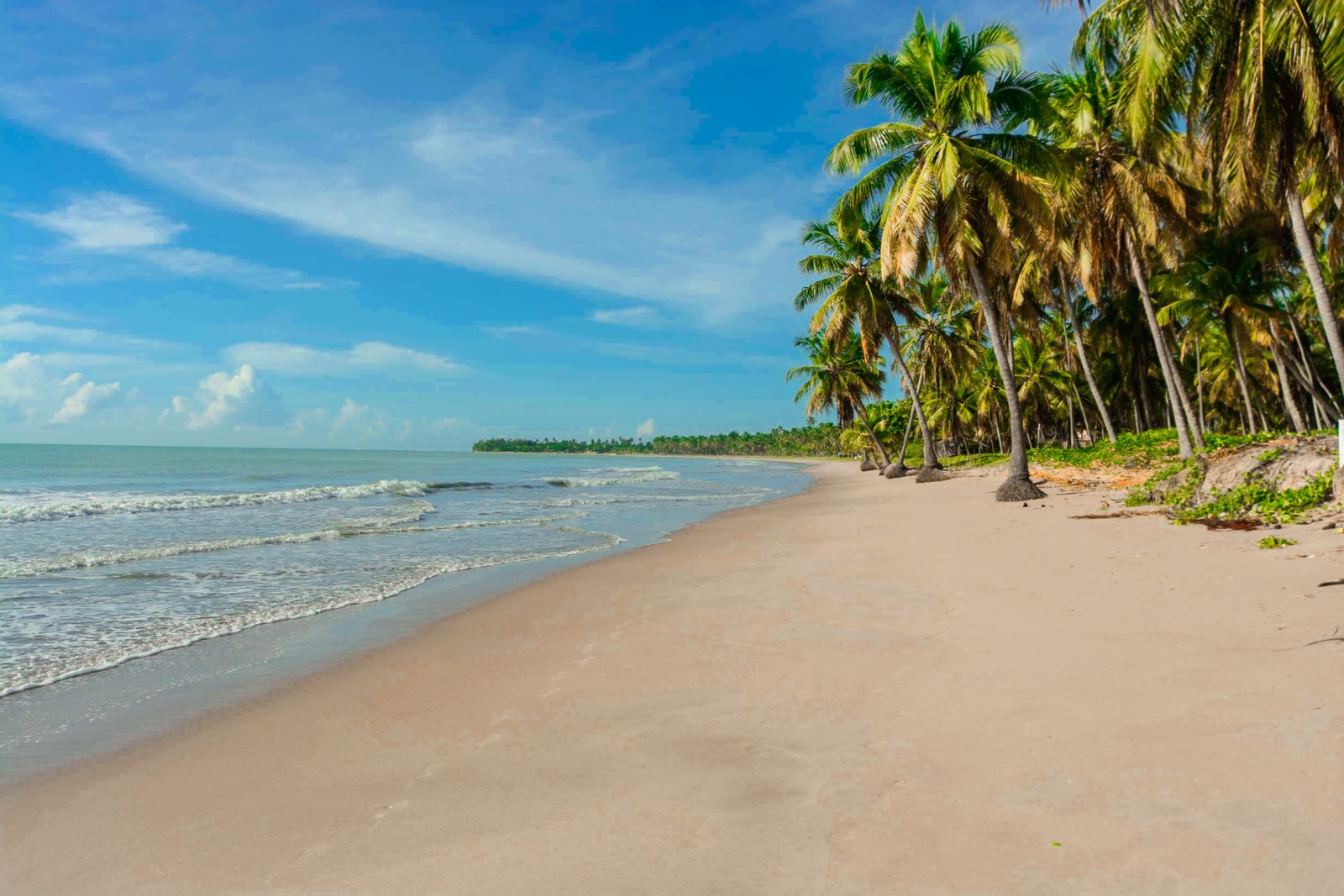
There’s a moment on the road down to Nai Harn — past the lakeside monastery, through the shade of old trees — when the bay opens up in front of you: a compact curve of white sand, water in three shades of blue, sailboats and the odd superyacht swinging at anchor, and green headlands closing the frame on both sides. Nai Harn sits at Phuket’s far southwestern corner, and the awkward geography that kept big development away is precisely what preserved it. Ask long-term residents to name the island’s best all-around beach and Nai Harn wins more votes than any other. It’s worth the drive, and this guide covers exactly how to do it right.
Why Nai Harn Earns Its Spot
Nai Harn is what Phuket’s west coast beaches looked like before the tower cranes arrived. A Buddhist monastery (Wat Nai Harn) and a freshwater lagoon occupy the land directly behind the beach, which blocked the wall-to-wall hotel development that swallowed Patong and Karon. The result: one upscale resort on the northern headland, a scattering of small hotels and restaurants set back from the sand, and a beach that still belongs to the bay rather than to a town.
The crowd is a telling mix — Rawai-based expats with their morning coffees, Thai families on weekends, yachties rowing in from anchored boats, and day-trippers who did their research. It’s busy in high season, no question, but busy at village scale, not city scale.
The Beach Itself
The bay is about 700 meters of broad, white-gold sand with a satisfying grain — coarser than Kata Noi’s powder, quick-draining, easy to shake off. The water is the main event: protected by headlands and the offshore island of Ko Man, high-season conditions are calm, deeply clear, and genuinely swimmable — this is one of the few Phuket beaches where you’ll see people doing distance swims across the bay every morning.
The beach shelves at a moderate pitch, fine for confident swimmers, a little quick for toddlers at some tide states. Shade is decent along the back line of trees; sunbeds and umbrellas are available in zones (around 200 baht for the day), and there’s plenty of free sand. Behind the beach, the lagoon loop makes a pleasant flat stroll, and vendors around the parking area sell grilled chicken, som tam, and fresh coconuts at fair prices — a proper 150-baht beach lunch is easy here.
The Monsoon Caveat
Nai Harn’s protected look breeds false confidence. From May to October, swell wraps into the bay and generates serious rip currents — this beach records some of the island’s worst drowning statistics precisely because it looks safer than it is. Lifeguards fly the flags; believe them. Low-season Nai Harn also becomes one of Phuket’s best surf spots when conditions align, with a punchy beach break that draws the island’s surf community. Watch from the sand with a coconut and it’s a great show.
Beyond the Sand: The Best Supporting Cast on the Island
No Phuket beach has better neighbors. Promthep Cape, the island’s most famous sunset viewpoint, is five minutes up the road — go for sunset, but know you’ll share it with tour buses; the smaller windmill viewpoint just before it offers nearly the same view with half the crowd and looks straight down onto Nai Harn itself. Ya Nui, a pocket beach with the area’s best casual snorkeling, hides between Nai Harn and Promthep. Rawai’s seafood grills — pick your fish from the ice, pay by weight, eat it grilled with garlic — are ten minutes east. You could spend three days within a 4-kilometer radius of this beach and not run out.
Best Time to Visit
November through April, no contest — that’s when the bay turns into the flat, clear swimming pool it’s famous for. Mornings before 10 am are magic: soft light, glassy water, the distance swimmers out doing their laps. Weekends bring Thai families and day-trip traffic, so aim for weekdays if you can. May to October is for surfers and sunset-watchers; the bay stays beautiful but the swimming rules change completely, and afternoon downpours are part of the rhythm. Prices in nearby Rawai and Nai Harn hotels drop sharply in low season, making this a smart shoulder-season base.
Getting There
Nai Harn is about 18 kilometers from Phuket Town and 50 kilometers from the airport — the airport run takes a solid 75–90 minutes and costs roughly 900–1,100 baht by taxi or app. From Kata, it’s a scenic 15-minute drive south over the viewpoint road. There’s a large parking area behind the beach (small fee for cars, scooters cheaper). No regular songthaew reaches Nai Harn directly — budget travelers usually ride to Rawai and hop a short motorbike taxi from there, or just rent a scooter; the roads down here are quieter than central Phuket’s, though the viewpoint hills demand real riding competence.
Is It Worth the Trip?
Yes — with the caveat that Nai Harn rewards those who come on its terms. Come in high season for the swimming of your life; come in low season for surf and solitude; come any season for the sunset circuit. It’s the beach that best answers the question “does the old Phuket still exist?” It does. It’s just tucked into the island’s bottom corner, behind a monastery and a lagoon, exactly where it’s always been. Check the flags, bring cash for the coconut vendors, and stay for sunset at the cape.
For more honest, on-the-ground guides to Phuket’s south — Rawai, Promthep, and beyond — keep exploring PhuketInside.
📍 หาดในหาน