
Ask serious muay thai practitioners — the ones on their fourth or fifth Thailand trip — where to train on Phuket, and one name keeps surfacing: Sinbi. Tucked in Rawai on the island’s southern tip, away from Fitness Street’s smoothie-bar bustle, Sinbi Muay Thai has spent nearly two decades building a reputation as the technician’s camp: smaller classes, stadium-experienced Thai trainers who correct rather than just count, and a culture centered on the art itself rather than the fitness-tourism economy around it. If your priority is getting genuinely better at muay thai, this quiet camp is arguably the island’s best classroom. Here’s the honest picture.
Why It Earns Its Spot
Teaching density. Sinbi runs a high trainer-to-student ratio by camp standards, and its trainers — many of them former stadium fighters of note — are known for hands-on correction: adjusting hip rotation mid-round, rebuilding a teep from the floor up, tailoring pad rounds to your actual level instead of running generic patterns. The camp regularly trains and corners its students for real fights, from first-timer bouts at local stadiums to serious competition, and the fight-prep pathway is open to committed visitors.
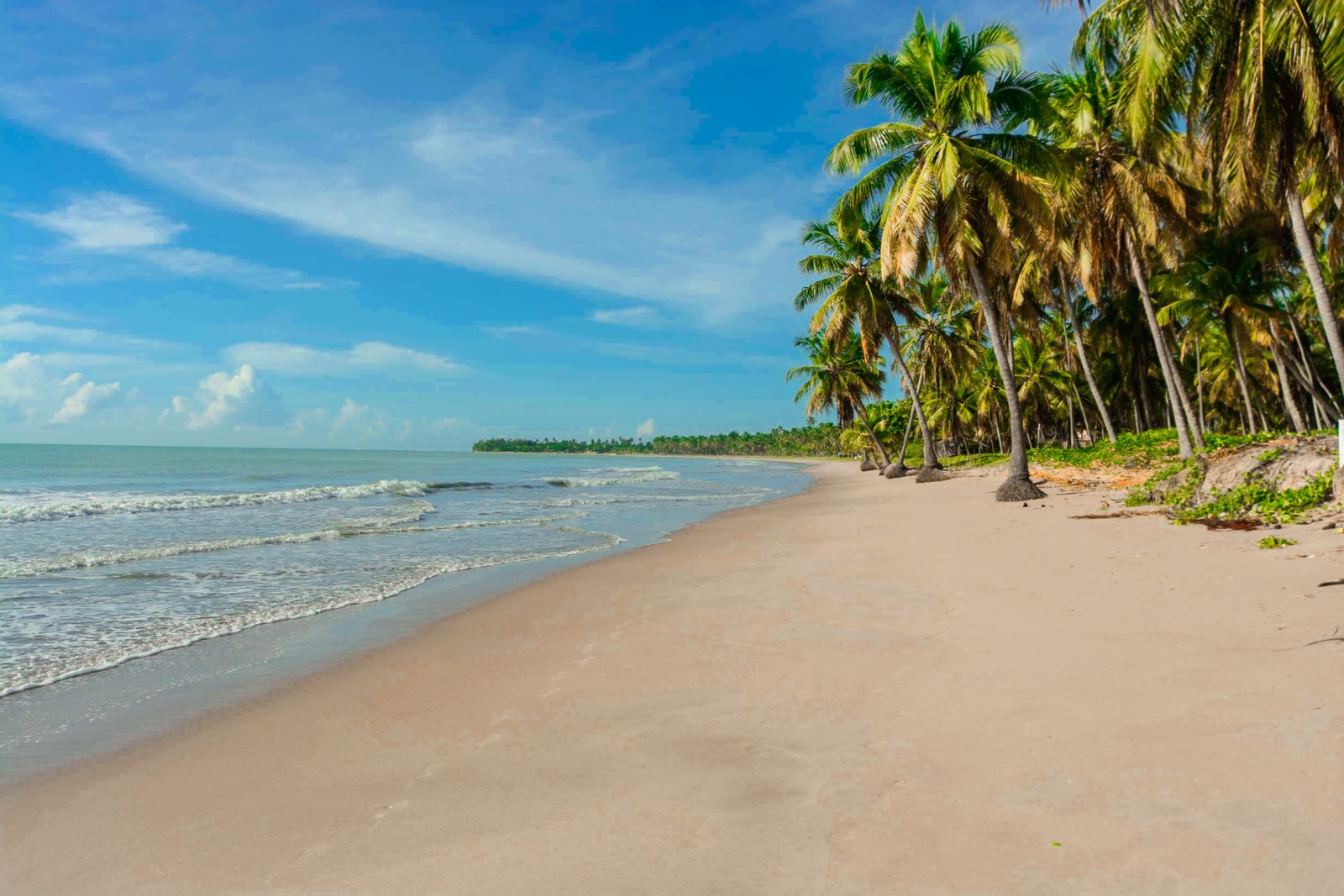
The Rawai setting matters too. You’re training in a real neighborhood — seafood grills, local markets, Nai Harn beach ten minutes away — rather than inside a fitness-tourist bubble. For many returnees, that’s half the appeal.
The Training Experience
Two group sessions daily, six days a week — typically a morning session with roadwork culture intact and a longer afternoon class: skipping, shadow work, multiple pad rounds, bag work, clinching, and controlled sparring as appropriate. Drop-in classes run around 400–500 baht, with weekly packages roughly 2,300–2,800 baht and monthly training in the 8,000–9,500 baht range (accommodation packages available on site or nearby — verify current rates directly). Private sessions, around 800–1,000 baht, are the accelerator most students eventually buy.
Beginners are welcome and well treated — the camp’s patience with fundamentals is exactly its strength — but the culture rewards showing up consistently and training with intent. The facility itself is a classic Thai camp: open-air rings, rows of bags, honest equipment, no chrome.
Honest Caveats
Sinbi is a single-discipline house: no MMA cage, no crossfit rigs, minimal weights — cross-trainers should look to Soi Ta-iad’s ecosystem instead. The camp’s understated vibe means less built-in social scaffolding than Tiger’s; solo travelers who want an instant crowd may find it quiet (others call that focus). High season fills classes and the nearby accommodation, so book ahead for December–March. And Rawai’s location, while lovely, puts you 20+ minutes from the island’s center of gravity — a scooter becomes near-essential.
Practical Details
The camp sits off Sai Yuan road in Rawai, the island’s laid-back southern expat quarter. Nai Harn beach — one of Phuket’s best — is a ten-minute ride, and the Sai Yuan food scene (from 60-baht Thai plates to excellent Western cafes) covers recovery nutrition at every budget. Fly in, message the camp, bring or buy gloves and wraps, and commit to at least a week; two shows real results.
The Bottom Line
Sinbi is what people imagine when they picture “training muay thai in Thailand” — Thai trainers, technical rigor, a real neighborhood, and progress you can feel in your third pad round of the day. It trades Fitness Street’s variety and social buzz for depth, and for the traveler who wants the art rather than the aesthetic, that trade is the whole point. Book ahead in high season, and bring the discipline to match the camp’s.
For more honest, on-the-ground guides to Rawai, Nai Harn, and Phuket’s training life, keep exploring PhuketInside.
📍 Sinbi Muay Thai